Cake Pricing Guide 2023: A Comprehensive Overview
Navigating cake pricing in 2023 requires understanding costs, market rates (currently $6-$7/serving), and utilizing tools like Etsy’s spreadsheet for accurate calculations.
Determining a fair and profitable price for your cakes is a crucial aspect of running a successful baking business. It’s a balancing act between covering your expenses, valuing your skills and time, and remaining competitive within the current market. Many bakers, especially those starting home-based businesses, find pricing particularly challenging. Recent discussions reveal surprise at prices reaching $65 for a cake, prompting questions about feasibility and bulk buying strategies.
Understanding that wedding cakes typically start around $6-$7 per serving in higher cost of living areas is a good starting point. However, this is just a baseline. A comprehensive approach involves meticulously tracking ingredient costs, accurately assessing labor time, and considering the complexity of the design. Utilizing resources like Etsy’s customizable pricing guide can streamline this process, providing a calculated value based on your specific inputs.
Understanding Your Costs
Accurately calculating your costs is the bedrock of effective cake pricing. This extends far beyond simply tallying ingredient expenses. A detailed breakdown is essential, encompassing everything from flour and sugar to specialized decorations and packaging. Don’t overlook seemingly small costs – they accumulate quickly! Equally important is valuing your labor; your time and expertise are significant investments.
Many bakers underestimate the time spent on tasks like baking, cooling, frosting, and intricate decorating. Tools like Etsy’s spreadsheet are invaluable for tracking these inputs. Recognizing that a finished cake can easily represent over $125 in costs, even for home bakers, highlights the need for precise accounting. Ignoring these factors leads to underpricing and unsustainable business practices.
Ingredient Costs: A Detailed Breakdown
A meticulous ingredient cost breakdown is paramount for accurate cake pricing. Begin by listing every component – flour, sugar, eggs, butter, flavorings, extracts, baking powder, and coloring; Don’t forget specialized items like fondant, gum paste, edible glitter, or imported chocolates. Track prices from your suppliers, noting bulk discounts.
Calculate the cost per unit (e.g., per ounce of flour) and then determine how much of each ingredient is used in a standard recipe. Utilize a spreadsheet to organize this data. Remember to factor in potential waste. Accurate ingredient costing, combined with labor and overhead, forms the foundation for profitable pricing, avoiding the pitfall of unknowingly selling cakes at a loss.
Labor Costs: Valuing Your Time
Accurately assessing your labor costs is crucial; undervaluing time leads to unsustainable pricing. Begin by determining a realistic hourly rate for your skills – consider experience, complexity of designs, and local market rates. Track all time spent on a cake: baking, cooling, frosting, decorating, consultations, shopping for supplies, and even cleaning.
Break down tasks and estimate time for each. A seemingly simple cake can easily consume several hours. Factor this into your pricing formula. Remember, a $125 cake, as noted in recent discussions, may require significant time investment. Don’t hesitate to charge appropriately for your expertise and effort, ensuring profitability and business viability.
Pricing Methods for Cakes
Establishing a consistent pricing method is fundamental for profitability and customer transparency. Two primary approaches dominate the cake industry: cost-plus pricing and per-serving pricing. Cost-plus pricing involves meticulously calculating all expenses – ingredients, labor, overhead – and adding a desired profit margin. This ensures all costs are covered, but requires detailed tracking.
Per-serving pricing, a common industry standard, sets a rate per slice based on cake size and complexity. Current market rates suggest $6-$7 per serving as a starting point, increasing with intricate designs. Utilizing resources like Etsy’s customizable spreadsheet can streamline calculations for either method, providing a solid foundation for pricing decisions.
Cost-Plus Pricing: The Foundation
Cost-plus pricing represents the most fundamental approach to determining cake prices, ensuring all expenses are covered and a profit is realized. This method begins with a detailed accounting of every cost component – from the price of flour and sugar to the baker’s hourly wage and overhead expenses like utilities.
Accurate tracking is crucial; even seemingly minor costs accumulate. Once total costs are calculated, a predetermined profit margin is added. Etsy’s spreadsheet templates are invaluable for this process, simplifying calculations and minimizing errors. While time-consuming initially, cost-plus pricing provides a transparent and justifiable price point.
Per-Serving Pricing: Common Industry Standard
Per-serving pricing is a widely adopted method within the cake industry, offering simplicity and ease of understanding for both bakers and customers. This approach establishes a fixed price for each portion the cake will yield, typically ranging from $6 to $7 per serving, as observed in high-cost-of-living areas.
The total cake price is then determined by multiplying the per-serving cost by the number of servings. While convenient, it’s vital to ensure this rate adequately covers all costs – ingredients, labor, and overhead – and allows for a reasonable profit. Reddit discussions highlight the feasibility of this model, especially with bulk ingredient purchasing.
Factors Influencing Cake Prices
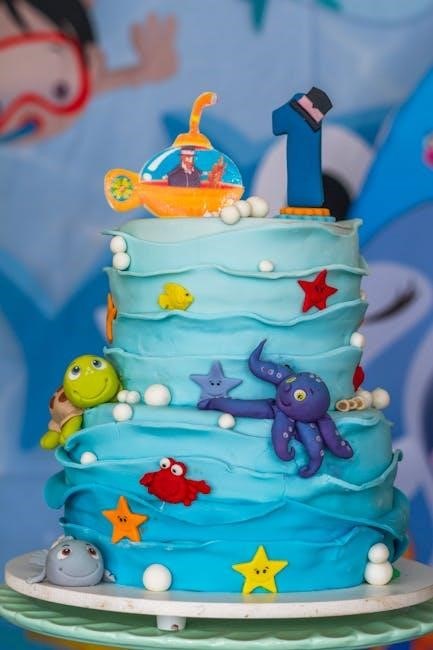
Several key elements significantly impact the final price of a cake, extending beyond just the cost of ingredients and time. Cake size and the resulting number of servings are primary determinants; larger cakes naturally command higher prices. However, the intricacy of the design and decoration plays a crucial role, with elaborate designs requiring more skilled labor and specialized materials.
Customization adds to the cost, as does the type of cake itself (buttercream versus fondant). Market conditions and regional cost of living also influence pricing strategies. Bakers must carefully consider these factors to establish a price point that is both competitive and profitable.
Cake Size and Servings

The correlation between cake size, serving count, and price is fundamental to cake pricing. Larger cakes, designed to feed more guests, inherently require greater quantities of ingredients and increased baking/decorating time. This directly translates to a higher overall cost. Pricing is often calculated per serving, with current averages ranging from $6 to $7 per serving, particularly for wedding cakes;
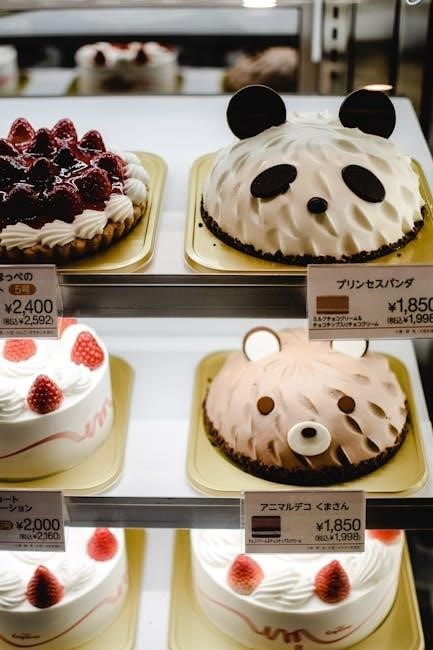
A simple tiered approach is common: a 10-inch cake serving 14 people will be priced differently than a three-tiered cake serving 100. Bakers must accurately determine serving sizes based on standard cutting guides to ensure fair and transparent pricing.
Complexity of Design and Decoration
Intricate cake designs and elaborate decorations significantly impact the final price. Simple buttercream finishes are less labor-intensive and therefore less costly than fondant work, sculpted elements, or hand-piped details. The time invested in complex designs directly influences labor costs, a crucial component of overall pricing.
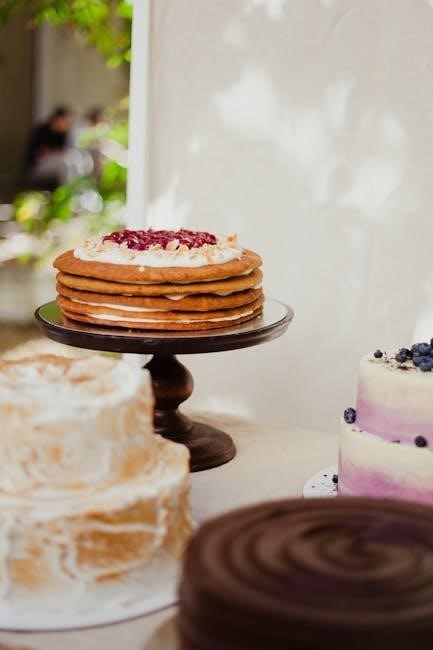
Custom requests, such as detailed sugar flowers or multi-tiered structures, demand specialized skills and extended working hours. A seemingly simple $65 cake, as discussed on Reddit, might represent substantial time investment. Bakers must accurately assess the time and skill required for each design element to ensure profitable pricing.
Current Market Rates (as of 03/09/2026)
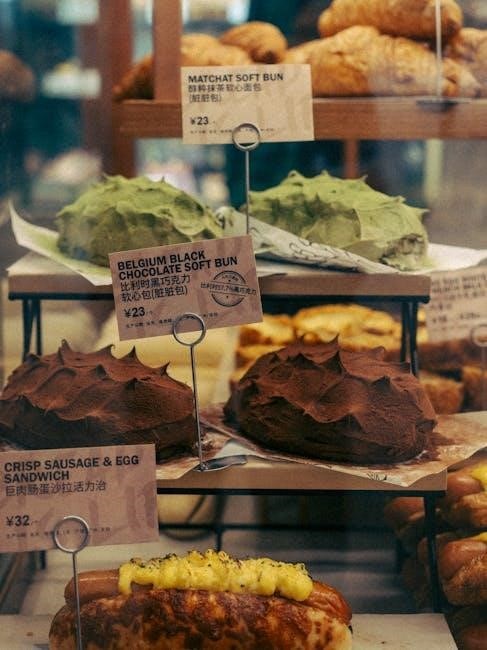
As of today’s date, March 9th, 2026, wedding cake pricing generally starts around $6 to $7 per serving in higher cost of living areas. However, this is a baseline; more complex designs and intricate details will naturally increase the per-serving cost.
Custom cake pricing varies widely, but examples suggest a $125 price point is achievable for detailed creations, even for home-based businesses, potentially through bulk ingredient purchasing. Online resources, like Etsy’s pricing guide, help bakers calculate appropriate rates based on ingredient costs and labor. Market rates are dynamic and require continuous monitoring.
Average Wedding Cake Costs (Per Serving)
Current market analysis, as of March 9th, 2026, indicates an average starting price of $6 per serving for wedding cakes in areas with a high cost of living. This base rate covers standard designs and basic buttercream finishes.
More elaborate wedding cakes, featuring intricate sugar work, multiple tiers, or custom flavors, typically command a price of $7 or more per serving. Factors influencing this include the complexity of the design, the baker’s skill level, and the demand in the local market. Remember these are averages, and individual pricing will vary.
Pricing for Custom Cakes (Examples)
Consider a sculpted cake requiring significant labor; a finished product valued at $125, according to recent discussions, demonstrates the potential for higher pricing. This highlights that complex designs justify increased costs.
A simple, single-tier custom cake with buttercream frosting might range from $50 to $80, depending on size and detail. Conversely, a multi-tiered fondant cake with intricate decorations could easily exceed $200, potentially reaching $500 or more. Bulk ingredient purchasing can influence final pricing, allowing for competitive rates while maintaining profitability.
Tools and Resources for Cake Pricing
Successfully pricing cakes relies on utilizing available resources to streamline calculations and ensure profitability. Etsy provides a customizable cake pricing guide – a spreadsheet designed to input ingredient costs, recipe amounts, and time spent, delivering a calculated final price.
Beyond spreadsheets, explore online cake pricing calculators for quick estimates. These tools often factor in serving size and complexity. Remember to adapt these suggestions to your specific costs and market. Thorough cost analysis, combined with these resources, empowers bakers to confidently set prices reflecting their value and expertise.
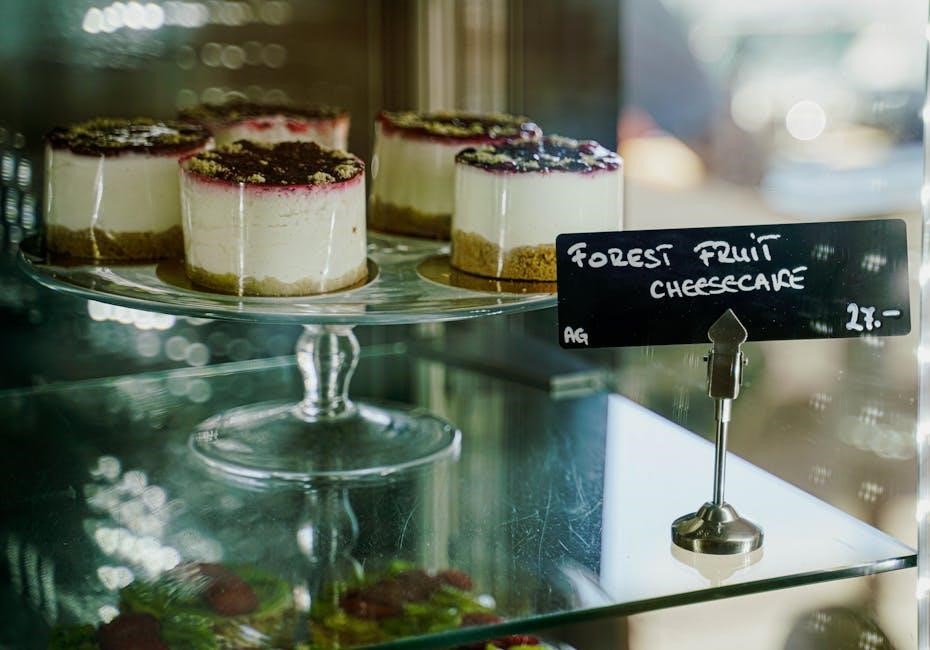
Spreadsheet Templates for Cost Calculation
Employing spreadsheet templates is fundamental for precise cake cost analysis and informed pricing decisions. Etsy offers a particularly valuable customizable template, allowing bakers to meticulously input ingredient expenses, recipe quantities, and the time invested in each creation.
These templates automatically calculate the base cost, providing a solid foundation for adding labor and desired profit margins. Utilizing such tools eliminates guesswork and ensures every cake is priced to cover expenses and generate income. Regularly updating the spreadsheet with current ingredient prices is crucial for maintaining accuracy and profitability;
Online Cake Pricing Calculators
Leveraging online cake pricing calculators streamlines the often-complex process of determining appropriate sale prices. While specific calculator names weren’t provided, the principle remains consistent: inputting key data points yields a suggested price range.
These calculators typically request information regarding ingredient costs, labor hours, and desired profit margin. They offer a quick alternative to manual spreadsheet calculations, particularly beneficial for bakers handling a high volume of orders or diverse cake designs. However, always cross-reference calculator results with your own cost analysis to ensure accuracy and account for unique factors impacting your business.
Pricing for Different Cake Types
Cake type significantly influences pricing, with complexity directly correlating to cost. Simple buttercream cakes generally command lower prices due to reduced labor and material expenses. However, fondant cakes and those featuring intricate designs necessitate a higher price point.
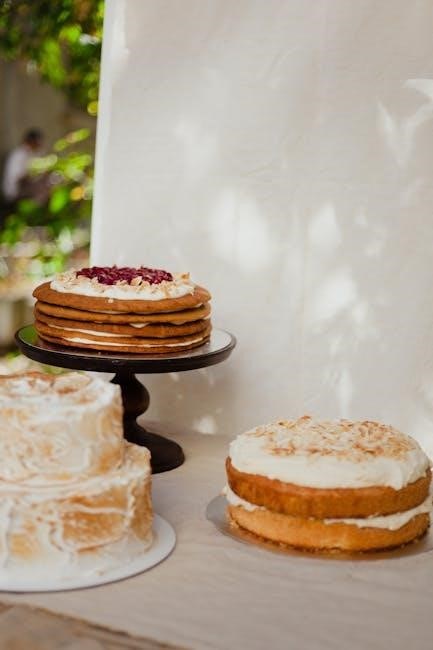
The Reddit discussions highlight a finished 12-inch cake selling for $125, demonstrating the value placed on skilled artistry. Expect to charge a premium for detailed work, sculpted elements, or extensive decorating. Accurately assessing the time invested in each cake type is crucial for profitable pricing, ensuring your efforts are appropriately compensated.
Simple Buttercream Cakes
Buttercream cakes represent an accessible entry point for both bakers and customers, influencing their pricing structure. These cakes, characterized by their straightforward decoration and relatively quick production time, typically fall on the lower end of the price spectrum. While specific costs vary based on size and ingredients, a base price reflecting ingredient costs and labor is essential.
Considering the current market, a simple buttercream cake can be priced competitively, allowing for reasonable profit margins. Utilizing cost calculation spreadsheets, readily available on platforms like Etsy, helps determine a fair price. Remember to factor in overhead and a reasonable hourly rate for your time, even for simpler designs.
Fondant Cakes and Intricate Designs
Fondant cakes, alongside those featuring complex designs, demand a significantly higher price point due to the increased skill, time, and material investment. The meticulous nature of fondant work, including sculpting, painting, and detailed decorations, directly impacts labor costs. These cakes often require specialized tools and a greater quantity of ingredients, further elevating the overall expense.
Current market rates reflect this complexity; custom cakes, particularly those exceeding $125 in finished cost (as noted on Reddit), justify premium pricing. Employing a cost-plus pricing method, coupled with per-serving calculations ($6-$7/serving as a starting point), ensures profitability. Accurate cost tracking is crucial for these elaborate creations.
Bulk Buying and Cost Reduction Strategies
Strategic purchasing is paramount for maximizing profit margins in cake businesses. Bulk buying ingredients – flour, sugar, butter, and especially fondant – can substantially lower material costs, a key factor in competitive pricing. Explore wholesale suppliers and membership programs offering discounted rates.
Efficient inventory management minimizes waste, while carefully comparing prices across vendors ensures optimal deals. Consider joining online communities (like Reddit’s r/cakedecorating) to share supplier information and cost-saving tips with fellow bakers. Reducing packaging expenses and streamlining production processes also contribute to overall cost reduction, allowing for more attractive pricing.
Profit Margins and Business Sustainability
Establishing healthy profit margins is crucial for long-term business viability. While competitive pricing is important, undervaluing your work leads to burnout and financial instability. Aim for a margin that covers not only ingredient and labor costs, but also overhead expenses like utilities and marketing.
Analyzing market rates (currently around $6-$7 per serving for basic wedding cakes) helps determine a reasonable price point. Remember, a $125 cake, as discussed on Reddit, demonstrates potential for higher-end designs. Regularly review pricing to ensure profitability and reinvest in your business for sustainable growth.
Legal and Tax Considerations
Operating a cake business necessitates adherence to legal and tax regulations. This includes obtaining necessary licenses and permits, varying by location, to legally sell baked goods. Accurate record-keeping of all income and expenses is vital for tax purposes.
Consulting with a tax professional ensures compliance with local, state, and federal tax laws, including sales tax collection and reporting. Understanding deductible expenses, like ingredient costs and a portion of home utilities for home-based businesses, can minimize tax liability. Proper legal and financial practices are fundamental for sustainable business operation.
Reviewing and Adjusting Your Prices
Regular price evaluation is crucial for a thriving cake business. Market conditions, ingredient costs, and competitor pricing all influence optimal price points. Periodically reassess your cost calculations, factoring in any changes to ingredient prices or labor rates.
Monitor customer feedback regarding perceived value and adjust pricing accordingly. Don’t hesitate to increase prices to reflect increased costs or demand, but communicate changes transparently. Analyzing profitability per cake type helps identify areas for price adjustments, ensuring sustainable profit margins and business growth.
Determining the ideal cake price is a balancing act. It requires a thorough understanding of your costs – ingredients, labor, and overhead – combined with current market rates, which currently range from $6 to $7 per serving for wedding cakes.
Utilize tools like Etsy’s customizable spreadsheet to refine calculations and ensure profitability; Remember, pricing too low undervalues your skill, while pricing too high risks losing customers. Regularly review and adjust your prices to maintain a sustainable and thriving cake business, reflecting both value and market demands.