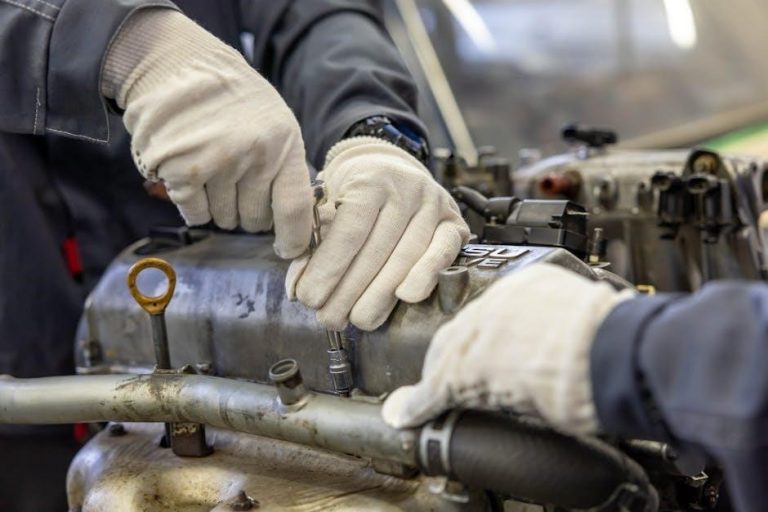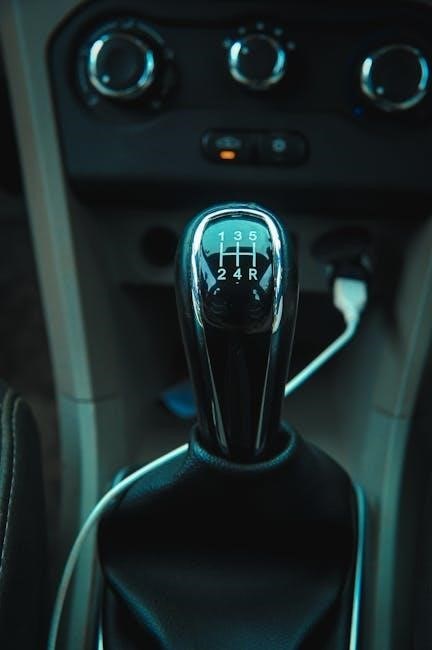
Seven-speed manuals represent a sweet spot‚ blending engaging driving with modern performance; they’re a labor of love for enthusiasts‚ despite automatics’ dominance.
Historical Context of Manual Transmissions
Manual transmissions predate the automobile itself‚ evolving from complex gear systems used in steam-powered vehicles. Early automobiles universally employed manual gearboxes‚ requiring drivers to master clutch and shifter coordination. These early systems were often simple‚ with three or four forward speeds.
Over decades‚ manual transmissions became increasingly sophisticated‚ with improvements in synchromesh technology making shifting smoother and easier. The introduction of five and then six-speed manuals offered finer control and improved fuel efficiency. The Borg-Warner T56‚ a six-speed‚ became a staple in American sports cars‚ demonstrating the enduring appeal of manual control.
However‚ the rise of automatic transmissions‚ offering convenience and ease of use‚ gradually eroded the manual’s market share. Despite this trend‚ a dedicated enthusiast base continued to champion the manual gearbox‚ valuing the direct connection and driver involvement it provides. The seven-speed manual emerged as a refinement‚ offering a balance between performance and engagement.
The Rise of Automated Transmissions & Manual’s Decline
Automated transmissions began their ascent with the introduction of two-speed automatics‚ quickly gaining popularity for their ease of use. Subsequent advancements‚ like the four-speed automatic with torque converters‚ further cemented their dominance‚ particularly in the American market. Modern automatics‚ with eight‚ nine‚ and even ten speeds‚ now often outperform manuals in acceleration and fuel economy.
This progress coincided with a shift in driver preferences; most drivers now prioritize convenience over driver involvement. Consequently‚ manual transmissions have become increasingly rare‚ especially from American manufacturers. Chevrolet’s decision to discontinue the manual Corvette exemplifies this trend‚ driven by business realities and low demand.
Despite a dedicated enthusiast following‚ the manual transmission is undeniably an endangered species. While models like the Miata‚ Supra‚ and GR86 maintain relatively high manual take rates‚ they represent exceptions to the broader industry trend. The seven-speed manual‚ while offering a compelling experience‚ hasn’t stemmed the overall decline.
Why Enthusiasts Still Prefer Seven-Speed Manuals
Enthusiasts gravitate towards seven-speed manuals for the unparalleled connection they offer with the driving experience; “Roping your own gears” isn’t seen as labor‚ but as a rewarding interaction‚ fostering a sense of control and engagement absent in automated systems. The precise control over engine RPMs allows for optimized performance and a more visceral feel.
The seven-speed configuration‚ specifically‚ provides a wider range of gear ratios‚ enhancing both acceleration and fuel efficiency. This allows drivers to keep the engine in its optimal power band more frequently. Furthermore‚ techniques like heel-toe downshifting become more refined and enjoyable with the extra gear.
For many‚ the manual transmission represents a purist approach to driving‚ a rejection of increasingly complex and automated systems. It’s a skill to be mastered‚ and the satisfaction derived from smooth‚ precise shifts is a significant draw‚ preserving a dying art form.

Understanding the Mechanics of a Seven-Speed Manual
Seven-speed manuals utilize intricate gearsets‚ a robust clutch‚ and synchromesh technology to deliver precise shifts and optimal power transfer throughout the drivetrain.

Gear Ratios and Their Impact on Performance
Gear ratios within a seven-speed manual transmission are meticulously engineered to optimize performance across a wider spectrum than lower-gear-count counterparts. Closer ratios allow the engine to remain within its peak powerband more consistently during acceleration‚ enhancing responsiveness and providing a more connected driving experience.
The additional gear offers both a taller final drive for improved highway fuel economy and shorter ratios for quicker acceleration. This versatility is crucial for sports cars and performance vehicles where both spirited driving and comfortable cruising are desired. Each gear is strategically spaced to maximize torque delivery‚ ensuring strong pull from a standstill and efficient power utilization at higher speeds.
A well-chosen set of gear ratios can dramatically alter a vehicle’s character‚ making it feel more agile and engaging. The seventh gear‚ often an overdrive‚ contributes to reduced engine RPMs at cruising speeds‚ further improving fuel efficiency and reducing noise‚ vibration‚ and harshness.
The Clutch System: Operation and Maintenance
The clutch is the critical link between the engine and the seven-speed manual transmission‚ enabling smooth gear changes. Its operation involves disengaging the engine’s power from the gearbox‚ allowing the driver to select a different gear ratio. Regular maintenance is paramount for longevity and optimal performance.

Key maintenance tasks include checking the clutch fluid level and ensuring it’s free of contamination. Inspecting the clutch disc for wear is vital; signs include slippage during acceleration or difficulty engaging gears. A worn clutch requires replacement to prevent damage to the flywheel and pressure plate.
Proper driving habits‚ such as avoiding “riding” the clutch‚ extend its lifespan. Smooth engagement and disengagement minimize wear. Addressing any unusual noises or vibrations promptly can prevent costly repairs. Ignoring clutch issues can lead to complete failure‚ requiring a more extensive and expensive overhaul.
Synchromesh Technology in Seven-Speed Gearboxes
Synchromesh is a crucial technology within a seven-speed manual transmission‚ facilitating smooth and effortless gear changes. It works by synchronizing the speeds of the gears before engagement‚ preventing grinding and reducing wear. This system utilizes friction cones to match rotational speeds‚ allowing for a seamless transition between gears.
In a seven-speed gearbox‚ the precision of synchromesh is even more critical due to the closer gear ratios. High-quality synchromesh components are essential for maintaining responsiveness and preventing missed shifts. Regular transmission fluid changes‚ using the manufacturer’s recommended lubricant‚ are vital for optimal synchromesh function.
Signs of failing synchromesh include difficulty shifting into specific gears‚ particularly when cold‚ and a noticeable grinding sound. Addressing these issues promptly can prevent further damage to the transmission. Properly maintained synchromesh ensures a pleasurable and efficient driving experience.
Internal Components: Gears‚ Shafts‚ and Bearings
A seven-speed manual transmission’s core lies in its intricate network of gears‚ shafts‚ and bearings. Differently sized gears provide the varying ratios necessary for optimal engine performance across a wide speed range. These gears are mounted on main and counter shafts‚ transferring power from the engine to the driveshaft.
Robust bearings support these shafts‚ minimizing friction and ensuring smooth rotation. The quality of these bearings directly impacts the transmission’s durability and quietness. The shift forks‚ controlled by the gear lever‚ engage the appropriate gears‚ selecting the desired ratio.
The T56‚ a popular six-speed predecessor‚ demonstrates the importance of strong internal components. In a seven-speed‚ these parts must withstand higher stresses due to the increased number of gears and closer ratios. Regular fluid checks and changes are crucial for lubricating and protecting these vital internal components.

Popular Cars Featuring Seven-Speed Manual Transmissions
Seven-speed manuals grace performance vehicles like the Porsche 718‚ Chevrolet Corvette (C7)‚ Nissan 370Z‚ and BMW M models‚ offering a driver-focused experience.
Porsche 718 Cayman/Boxster – A Prime Example
The Porsche 718 Cayman and Boxster stand out as exceptional examples of cars offering the engaging experience of a seven-speed manual transmission. Porsche continues to cater to driving purists‚ recognizing the value of driver involvement that a manual gearbox provides. These mid-engine sports cars deliver a uniquely balanced and connected feel‚ amplified by the precise and rewarding shifts of the seven-speed.
The transmission itself is known for its short throws and crisp engagement‚ contributing to the car’s overall agility. It allows drivers to fully exploit the 718’s potent engine and chassis‚ making for a truly immersive driving experience. While many manufacturers have abandoned manual options‚ Porsche’s commitment demonstrates a dedication to preserving a vital aspect of sports car culture. The 718 models showcase how a manual transmission can enhance‚ not detract from‚ a modern performance vehicle.

Chevrolet Corvette (C7) – The Last Manual Vette
The C7 generation Chevrolet Corvette marked a significant moment – the last opportunity to experience a manual transmission in this iconic American sports car. Chevrolet’s decision to discontinue the manual option with the C8 Corvette was based on market realities‚ as demand shifted overwhelmingly towards automatics. However‚ the C7’s seven-speed manual offered a visceral connection to the car that many enthusiasts cherished.
This transmission‚ originally a Borg-Warner design known as the T56‚ was a robust and reliable unit‚ perfectly suited to handle the Corvette’s powerful V8 engine. It provided a satisfyingly mechanical feel and allowed drivers to fully control the car’s performance. The C7 manual Corvette now represents a collector’s item‚ a final tribute to a fading art form. Its discontinuation underscores the increasing rarity of manual transmissions‚ even in performance vehicles.
Nissan 370Z – A Continuing Legacy
The Nissan 370Z stands as a beacon for manual transmission enthusiasts‚ representing a continuing legacy in a market increasingly dominated by automatics. While many manufacturers have abandoned stick shifts‚ Nissan has steadfastly offered a manual option in the 370Z‚ catering to drivers who prioritize engagement and control. This commitment demonstrates a recognition of the enduring appeal of the manual driving experience.
The 370Z’s six-speed manual transmission‚ though not a seven-speed‚ provides a direct and rewarding connection to the car’s potent V6 engine. It’s a testament to the belief that driving should be an active‚ involved process. The 370Z’s continued availability with a manual gearbox makes it a popular choice for those seeking a pure‚ unadulterated sports car experience‚ preserving a vital part of automotive culture.
BMW M2/M3/M4 – Performance Focused Options
BMW’s M2‚ M3‚ and M4 models have consistently provided enthusiasts with high-performance options featuring manual transmissions‚ though typically six-speed rather than seven. These cars represent a commitment to driver engagement‚ offering a visceral connection that appeals to those who relish the control of a manual gearbox. BMW understands that for many performance-minded drivers‚ the act of shifting is integral to the driving experience.
The availability of a manual transmission in these M cars isn’t merely a nod to tradition; it’s a deliberate choice to enhance the driving experience. It allows drivers to fully exploit the cars’ powerful engines and finely-tuned chassis. While automatic transmissions offer convenience‚ the manual provides a level of involvement and satisfaction that many enthusiasts find irreplaceable‚ solidifying BMW’s position as a brand that caters to driving purists.

Driving Techniques for Seven-Speed Manuals
Mastering a seven-speed manual demands precision; smooth transitions‚ rev-matching‚ and heel-toe downshifting unlock its potential‚ avoiding grinding and maximizing performance.
Proper Shifting Techniques for Smooth Transitions
Achieving seamless gear changes in a seven-speed manual transmission requires a coordinated effort between your hands and feet. Begin by fully depressing the clutch pedal‚ ensuring complete disengagement from the engine. Simultaneously‚ move the gear lever decisively and accurately into the desired gear – hesitation leads to grinding.
As you begin to release the clutch‚ gently apply throttle. The key is synchronization: matching engine speed to wheel speed. A slow‚ controlled clutch release prevents jolts‚ while a smooth throttle application maintains momentum. With seven gears‚ precise timing is even more crucial‚ as the ratios are closer together.
Avoid rushing the process; deliberate movements are far more effective than hurried ones. Practice makes perfect‚ and focusing on these fundamentals will transform your driving experience‚ making each shift a satisfying and connected part of the journey. Remember‚ a smooth shift isn’t just about speed‚ it’s about control and finesse.
Heel-Toe Downshifting Explained
Heel-toe downshifting is an advanced technique maximizing control and smoothness during deceleration‚ particularly beneficial with a seven-speed manual. It involves simultaneously braking with the ball of your foot and “blipping” the throttle with your heel (or side of your foot‚ depending on pedal layout). This raises engine RPMs to match the lower gear’s speed.
The process prevents abrupt shifts and rear-wheel lockup‚ maintaining vehicle stability. Initiate braking‚ then pivot your foot to tap the throttle‚ rev-matching the engine. Simultaneously‚ smoothly depress the clutch and downshift. Releasing the brake and clutch in coordination delivers a seamless transition.
Mastering heel-toe takes practice‚ requiring precise footwork and coordination. With the closer ratios of a seven-speed‚ the window for successful rev-matching is tighter‚ demanding greater skill. It’s a technique that elevates driving engagement and showcases a driver’s control over the vehicle.
Rev Matching: Benefits and How-To

Rev matching is a crucial skill for seven-speed manual transmission drivers‚ enhancing smoothness and reducing stress on the drivetrain. It involves increasing engine RPMs to synchronize with the wheel speed before engaging a lower gear. This eliminates the jarring effect of mismatched speeds during downshifts.
The benefits are numerous: reduced wear on the clutch and synchronizers‚ improved vehicle stability‚ and a more fluid driving experience. To rev match‚ lift off the throttle and simultaneously depress the clutch. Briefly tap the accelerator (“blip” the throttle) to raise the RPMs. Then‚ smoothly downshift and release the clutch.
With a seven-speed’s closer gear ratios‚ precise rev matching is even more critical. Practice is key to developing the muscle memory needed for consistent‚ seamless downshifts. Mastering this technique unlocks a more connected and rewarding driving experience.
Avoiding Common Shifting Mistakes
Driving a seven-speed manual requires precision‚ and several common mistakes can disrupt the experience. Rushing shifts is a frequent error‚ leading to grinding gears or jerky transitions. Always fully depress the clutch and ensure the gear lever is fully engaged before releasing.
Incorrect gear selection‚ especially in a seven-speed with its close ratios‚ can leave you outside the engine’s powerband. Listen to the engine and anticipate upcoming driving conditions. Skipping gears‚ while tempting‚ can strain the synchronizers.
Releasing the clutch too quickly causes stalling or lurching. Smoothness is paramount. Finally‚ forgetting to downshift before slowing significantly puts undue stress on the engine. Consistent practice and mindful driving will minimize these errors‚ maximizing enjoyment and prolonging the transmission’s life.

Maintenance and Troubleshooting
Seven-speed manuals demand diligent care; regular fluid checks are crucial‚ alongside promptly addressing issues like grinding or difficulty shifting to ensure longevity.
Regular Fluid Checks and Changes
Maintaining the correct fluid level and condition is paramount for a seven-speed manual transmission’s health. Unlike some automatic transmissions‚ manual gearboxes aren’t sealed systems‚ meaning fluid loss can occur over time through seals and breathers. Regularly checking the fluid level – typically via a plug on the side of the transmission – is a simple yet vital task.
The fluid itself isn’t a lifetime fill; it degrades with use‚ losing its lubricating properties and ability to protect gears. Follow the manufacturer’s recommended service intervals for fluid changes‚ which can vary significantly. Using the specified fluid type is absolutely critical‚ as incorrect fluids can cause damage.
When changing the fluid‚ inspect the old fluid for metal shavings‚ a sign of internal wear. A magnetic drain plug will capture some of this debris. Properly disposing of the old fluid is also essential for environmental responsibility. Consistent fluid maintenance prevents premature wear and ensures smooth‚ reliable shifting for years to come.
Identifying Common Issues: Grinding‚ Slipping‚ and Difficulty Shifting
Several symptoms can indicate problems within a seven-speed manual transmission. Grinding noises during shifts‚ particularly when moving into gear‚ often point to worn synchronizers – components crucial for matching gear speeds. Slipping‚ where the clutch pedal feels spongy or engages inconsistently‚ suggests issues with the clutch itself‚ rather than the gearbox‚ but impacts shifting.
Difficulty shifting into specific gears‚ or a general feeling of notchiness‚ can stem from low fluid levels‚ incorrect fluid type‚ or internal wear on shift forks or selector rods. A persistent inability to select a gear could indicate a more serious internal failure.
Paying attention to these warning signs and addressing them promptly can prevent further damage. Ignoring these issues often leads to more extensive and costly repairs down the line. Early diagnosis is key to maintaining the longevity of your seven-speed manual.
Clutch Wear and Replacement
The clutch is a vital link in any seven-speed manual drivetrain‚ and inevitably‚ it will wear down with use. Symptoms of a worn clutch include slippage – the engine revs higher without a corresponding increase in speed – and difficulty engaging gears‚ especially first or reverse. A burning smell can also indicate excessive clutch friction.
Clutch replacement is a significant‚ but often necessary‚ maintenance item. The process typically involves disconnecting the transmission‚ removing the old clutch disc‚ pressure plate‚ and throw-out bearing‚ and installing new components. It’s often advisable to replace the flywheel at the same time‚ especially if it’s scored or warped.
Proper clutch break-in is crucial after replacement; avoid aggressive driving for the first few hundred miles to allow the friction material to properly mate with the flywheel. Ignoring clutch wear can lead to complete failure‚ leaving you stranded.
Transmission Mount Inspection and Replacement
The transmission mount plays a critical‚ yet often overlooked‚ role in a seven-speed manual’s smooth operation. It secures the transmission to the vehicle’s chassis‚ absorbing vibrations and preventing excessive movement. Over time‚ these mounts can deteriorate due to age‚ heat‚ and stress‚ leading to noticeable issues.
Signs of a failing transmission mount include increased vibration felt through the floorboards‚ clunking noises during gear changes or acceleration‚ and imprecise shifting. A visual inspection can reveal cracks‚ tears‚ or complete disintegration of the rubber or fluid-filled components.
Replacing a transmission mount is a relatively straightforward repair‚ though it may require lifting the vehicle and supporting the engine. New mounts restore stability‚ reduce noise‚ and improve the overall driving experience. Ignoring a worn mount can lead to damage to other drivetrain components.

The Future of Seven-Speed Manual Transmissions
Seven-speed manuals face uncertainty with rising EV adoption‚ but enthusiast demand and potential hybrid systems could preserve this engaging technology for future generations.
The Impact of Electric Vehicles on Manual Transmission Demand
Seven-speed manual transmissions are intrinsically linked to internal combustion engines‚ facing a significant challenge from the rapidly expanding electric vehicle (EV) market. EVs‚ by their very nature‚ don’t require multi-gear transmissions; a single-speed reduction gear typically suffices due to the instant torque delivery of electric motors.
As EV adoption increases‚ the demand for traditional manual transmissions‚ including the seven-speed variety‚ is inevitably expected to decline. Automakers are investing heavily in EV technology‚ shifting resources away from developing and refining internal combustion engine-based vehicles and their associated components. This trend suggests a gradual phasing out of manual options across many vehicle segments.
However‚ the enthusiast community’s passion for manual transmissions might influence some manufacturers to retain them in niche performance models‚ even as the broader automotive landscape electrifies. The future likely holds a smaller‚ but dedicated‚ market for seven-speed manuals‚ catering to drivers who prioritize engagement and control.
Potential for Hybrid Manual Transmissions
While fully electric vehicles pose a challenge‚ hybrid powertrains offer a potential avenue for preserving the seven-speed manual experience. Combining an internal combustion engine with electric motors allows for innovative transmission designs that could enhance both efficiency and driver engagement.
A hybrid manual transmission might utilize the electric motor to fill torque gaps during shifts‚ resulting in smoother transitions and potentially eliminating the need for clutch operation in certain scenarios. This could appeal to a wider range of drivers‚ bridging the gap between traditional manuals and automated systems.
Furthermore‚ the electric component could enable features like automated rev-matching or even a partially automated shifting mode‚ offering convenience without sacrificing the core manual driving experience. Though currently unexplored‚ the integration of a seven-speed manual with hybrid technology represents a fascinating possibility for the future of performance and efficiency.
The Role of Enthusiast Communities in Preserving Manuals
Enthusiast communities play a crucial role in keeping the spirit of the seven-speed manual alive‚ acting as vital advocates in a market increasingly dominated by automatics. These groups foster a passion for driving and actively seek out‚ restore‚ and celebrate vehicles offering a manual transmission.
Online forums‚ car clubs‚ and social media groups provide platforms for sharing knowledge‚ troubleshooting issues‚ and organizing events centered around manual driving. This collective enthusiasm helps maintain demand for these vehicles‚ influencing manufacturers to continue offering them‚ even in limited production runs.
Furthermore‚ enthusiast communities often champion the preservation of manual driving skills through workshops and track days‚ ensuring that future generations can appreciate the unique connection and control offered by a seven-speed manual gearbox. Their dedication is essential for preventing this engaging driving experience from fading into obscurity.